


Our Services > Dental Practitioner
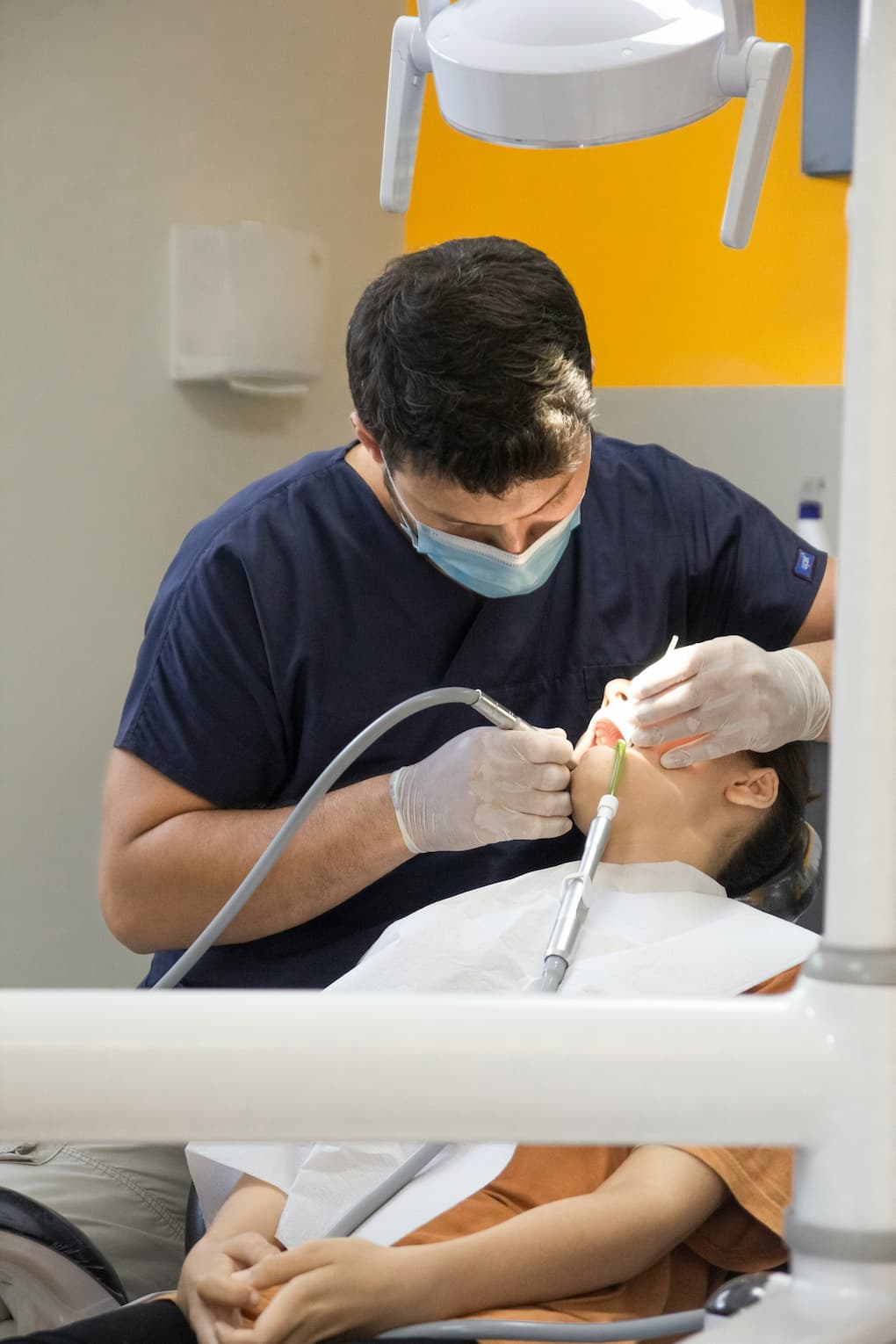
What Is a Dental Practitioner?Your Complete Guide from Avon Dental in Round Lake Beach & Grayslake, IL
Choosing the right dental practitioner is one of the most important healthcare decisions a family can make. Whether you're searching for a general dentist, a family dental provider, or a full-service dental office that can handle everything from routine cleanings to complex oral surgery, understanding what a dental practitioner actually does — and what separates a great one from an average one — helps you make a confident, informed choice.
At Avon Dental, serving Round Lake Beach and Grayslake, Illinois, our team of licensed dental practitioners is committed to providing comprehensive, affordable, and compassionate oral health care for patients of every age. In this guide, we'll break down what a dental practitioner is, how general dentists differ from dental specialists, what services you should expect from a modern dental practice, and how to choose a provider you can trust for life.
What Is a Dental Practitioner?
A dental practitioner is a broad, professional term for any licensed provider who diagnoses, treats, and manages conditions of the teeth, gums, and oral cavity. It's actually a wider category than most people realize: every dentist is a dental practitioner, but the term also covers dental specialists such as orthodontists, periodontists, endodontists, prosthodontists, and oral surgeons. In short, "dental practitioner" is an umbrella term for any qualified oral health professional practicing dentistry.
Most dental practitioners in the United States hold a Doctor of Dental Surgery (DDS) or Doctor of Dental Medicine (DMD) degree — the two degrees are equivalent and simply reflect naming conventions used by different dental schools. To earn one of these credentials, a dental practitioner typically completes a bachelor's degree followed by four years of accredited dental school, along with rigorous clinical training, licensing exams, and, in many cases, continuing education requirements to stay current with modern techniques and technology.
When people search for a "dental practitioner near me," they're usually looking for what's more commonly called a general dentist — a primary oral health care provider who handles routine exams, cleanings, fillings, and a wide range of preventive, restorative, and cosmetic treatments, and who refers patients to specialists when more advanced care is needed.
Dental Practitioner vs. Dentist vs. Specialist: What's the Difference?
Because the dental field includes so many overlapping titles, it helps to understand how each role fits together:
- General dental practitioner (general dentist): Your primary provider for oral health. A general dentist performs checkups, cleanings, fillings, crowns, root canals, extractions, and preventive care, and coordinates your overall treatment plan.
- Orthodontist: A specialist focused on correcting misaligned teeth and bites using braces, clear aligners like Invisalign, and other orthodontic appliances.
- Periodontist: A specialist in the prevention, diagnosis, and treatment of gum disease, as well as the placement of dental implants.
- Endodontist: A specialist in the tissue inside the tooth (the dental pulp), most commonly known for performing root canal treatment.
- Prosthodontist: A specialist in restoring and replacing teeth with crowns, bridges, dentures, and implant-supported prosthetics, often handling full-mouth reconstruction.
- Oral and maxillofacial surgeon: A specialist who performs surgical procedures of the mouth, jaw, and face, including wisdom tooth removal, bone grafting, and corrective jaw surgery.
- Pediatric dentist: A specialist trained to care for the unique oral health needs of infants, children, and teens.
A well-rounded dental practice — like Avon Dental — brings many of these disciplines together under one roof, so patients can move seamlessly from a routine cleaning to a root canal, denture fitting, or oral surgery consultation without being sent to an unfamiliar office across town.
What Services Should You Expect from a General Dental Practitioner?
A trustworthy general dental practitioner offers far more than a basic cleaning. At Avon Dental, our Round Lake Beach and Grayslake dental offices provide a full continuum of care, including:
General & Preventive Dentistry
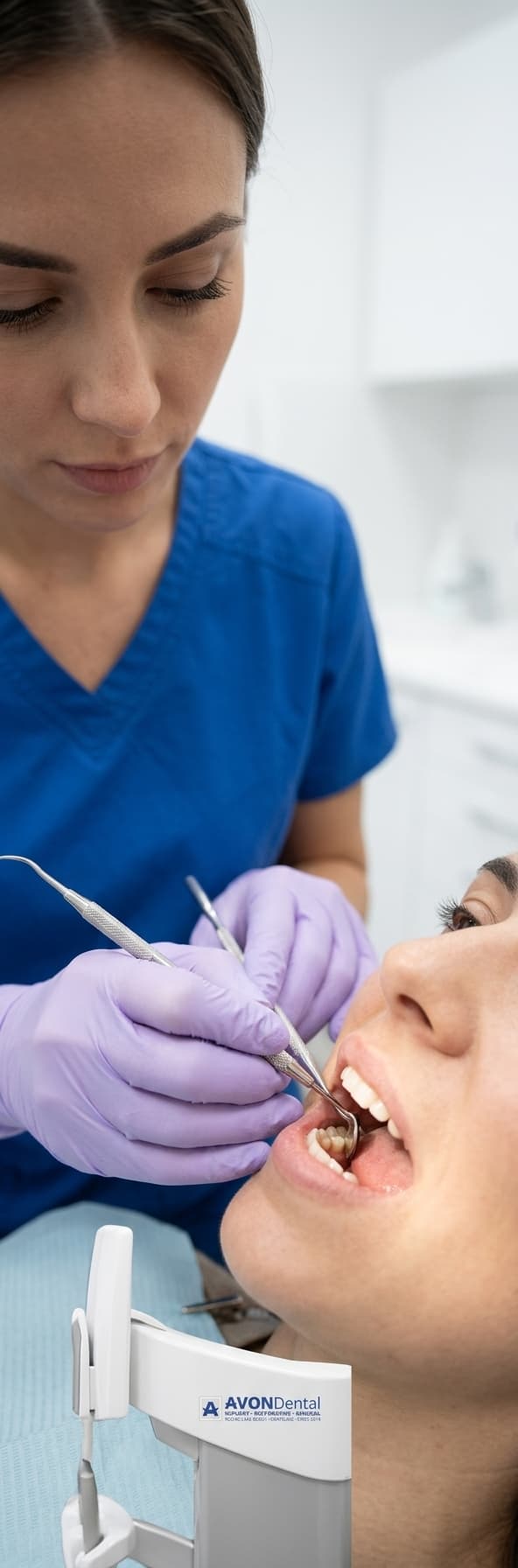
Routine exams, professional cleanings, digital X-rays, and oral cancer screenings form the foundation of good oral health. Preventive dentistry catches small issues — like early tooth decay or gum inflammation — before they become painful, expensive problems.
Restorative Dentistry
- Dental fillings to repair cavities and restore tooth structure
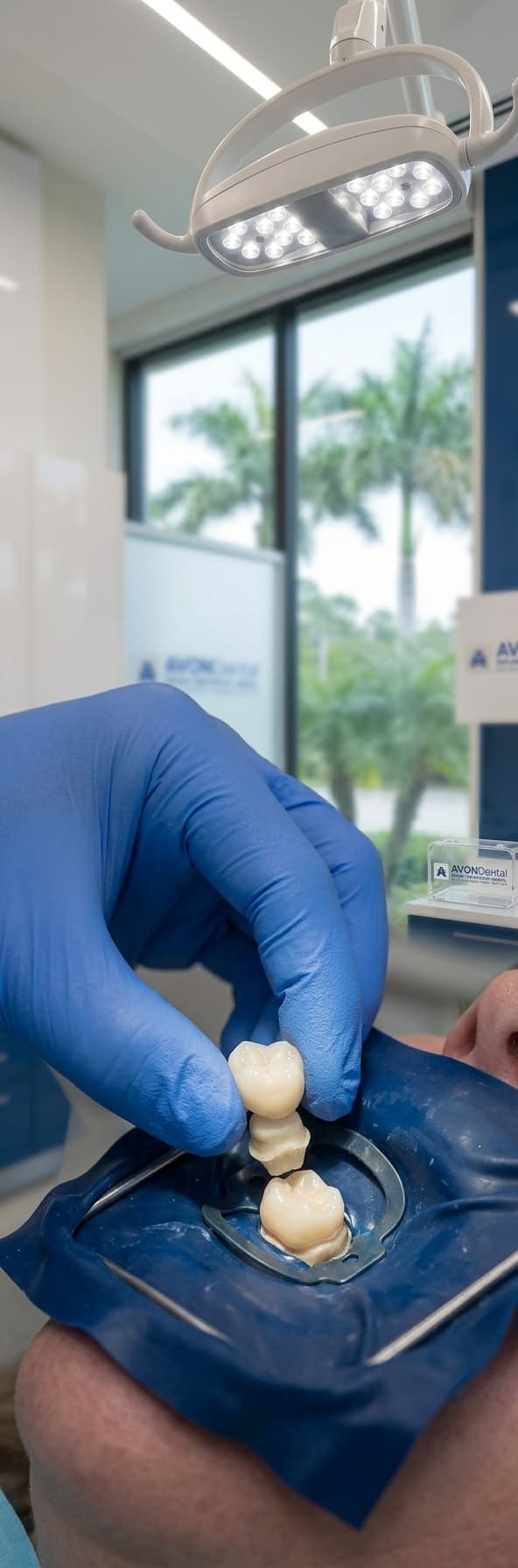
- Dental crowns and bridges to strengthen damaged teeth or replace missing ones
- Root canal (endodontic) treatment to save infected or badly decayed teeth
- Tooth extractions, including same-day emergency removals
- Dentures, including full and partial denture solutions for patients missing several or all of their teeth
Cosmetic Dentistry
- Teeth whitening for a brighter, more confident smile
- Dental veneers to correct chips, gaps, and discoloration
- Composite bonding for quick cosmetic touch-ups
Orthodontics
- Traditional braces and Invisalign clear aligners for both teens and adults who want straighter teeth without sacrificing comfort or confidence
Oral Surgery & Implant Dentistry
- Dental implants for permanent, natural-looking tooth replacement
- Bone grafting, wisdom tooth removal, and other surgical procedures performed in coordination with our periodontal and oral surgery team
Periodontal & Implant Care
Our periodontal specialists focus on gum health, treating periodontal disease and placing implants for long-term restoration.
Pediatric Dentistry
Children deserve a dental home that feels welcoming, not intimidating. Our pediatric dental services are designed to build healthy habits from the very first visit, and we proudly accept AllKids Healthcare Insurance for eligible families.
Emergency Dental Care
Dental emergencies don't wait for convenient timing. Whether it's a severe toothache, a broken tooth, or facial trauma, our team provides prompt, compassionate emergency dental care for patients of all ages.
Why the Right Dental Practitioner Makes a Real Difference
Not every dental practitioner offers the same level of training, technology, or patient experience. Here's what to look for when choosing a provider for yourself or your family:
- Credentials and continued education. Look for a dental practitioner with proper licensing and a demonstrated commitment to ongoing education. Dentistry evolves constantly, and the best providers stay current with the latest clinical techniques, materials, and technology.
- A full range of services. A practice that offers general, cosmetic, restorative, orthodontic, and emergency dentistry under one roof saves you time, reduces the stress of referrals, and allows for more coordinated, consistent care.
- Comfortable, convenient locations. Consistent dental visits are easier to keep up with when your dental office is close to home or work and offers hours that fit your schedule. Avon Dental's two Illinois locations — Round Lake Beach and Grayslake — give patients flexible options without sacrificing quality of care.
- Transparent pricing and financing. Affordability shouldn't stand between you and a healthy smile. Look for a dental practitioner who accepts a broad range of dental insurance plans and offers financing options, such as CareCredit, along with seasonal specials and non-insurance discounts.
- Genuine patient reviews. Reputation matters. Reading real patient reviews gives you insight into a dental practitioner's chairside manner, wait times, and overall quality of care before you ever sit in the chair.
- A welcoming, family-friendly environment. Whether you're bringing in a toddler for their first checkup or scheduling an oral surgery consultation for a parent, the right dental practitioner treats every patient — young or old — with patience and respect.
How Technology Has Changed Modern Dental Care
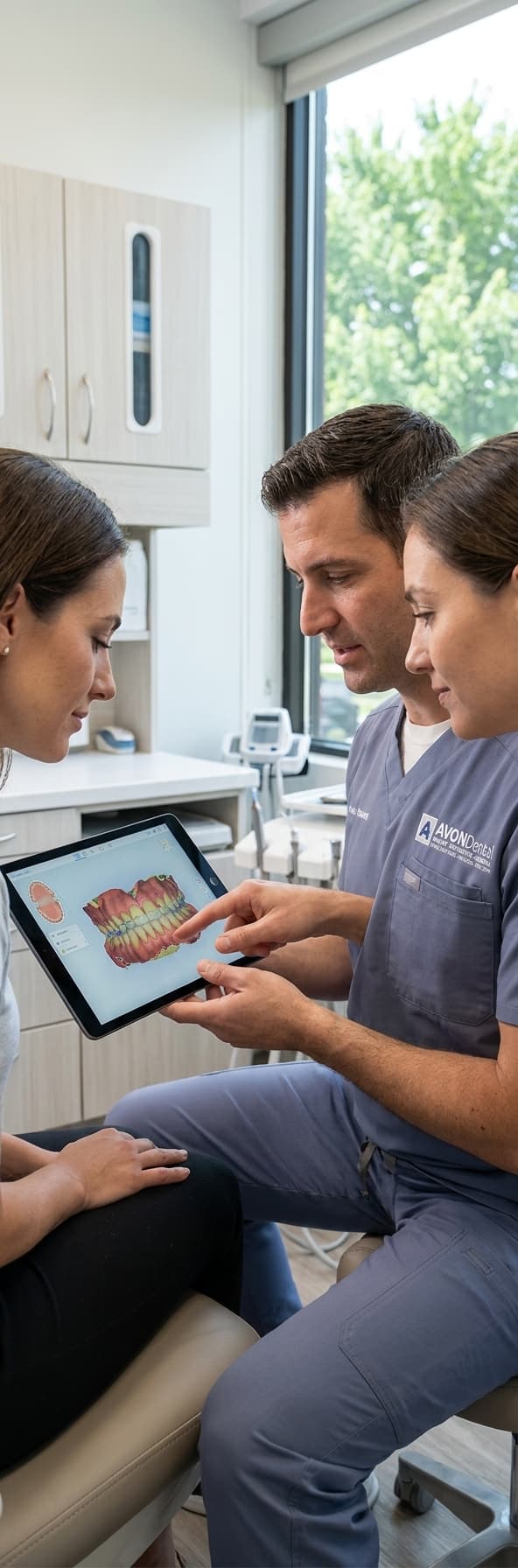
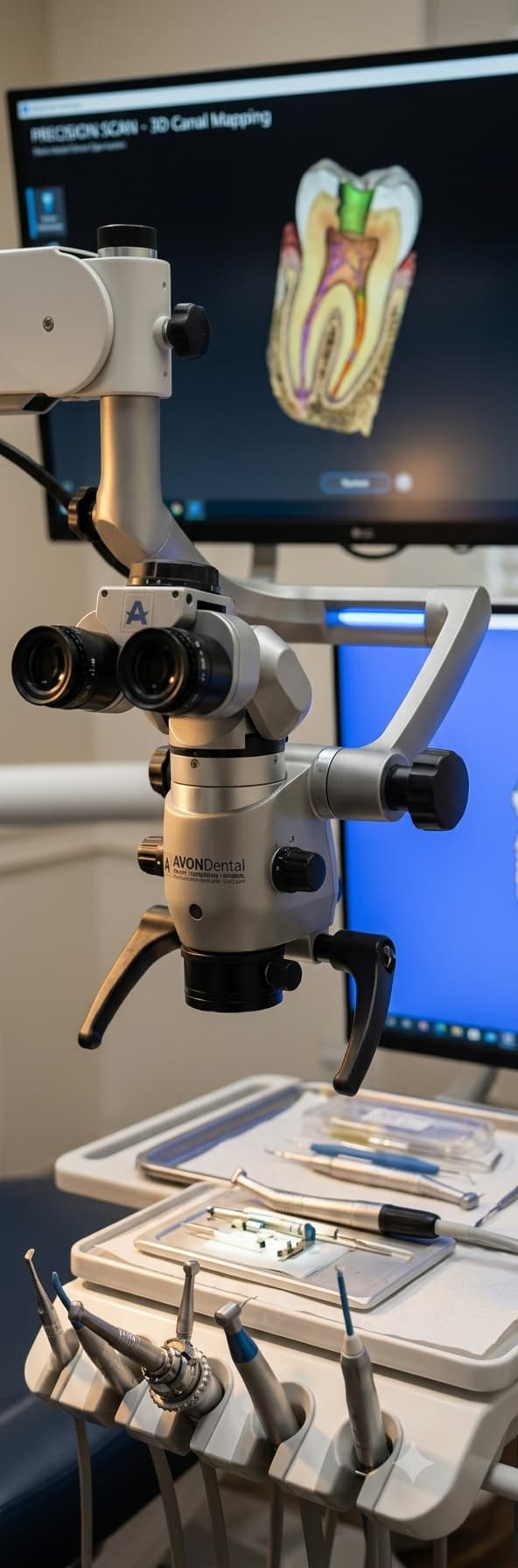
Today's dental practitioner has access to tools that make treatment faster, more precise, and more comfortable than ever before. Digital X-rays expose patients to significantly less radiation than traditional film while delivering sharper, more detailed images that help a dental practitioner catch cavities and bone loss earlier. Intraoral cameras let patients see exactly what their dentist sees, turning treatment recommendations into a collaborative conversation rather than a one-way instruction. Many practices also use digital impression systems instead of messy putty molds, streamlining everything from crowns and bridges to Invisalign aligners and nightguards.
For patients who feel anxious about dental visits, modern sedation options — from nitrous oxide to oral conscious sedation — allow even complex procedures like wisdom tooth extractions or full-mouth restorations to be completed comfortably. A dental practitioner who invests in this kind of technology isn't just keeping up with trends; they're reducing chair time, improving diagnostic accuracy, and making the entire experience less stressful for patients of every age.
Building a Long-Term Relationship with Your Dental Practitioner
Oral health isn't a one-time fix — it's an ongoing partnership. Patients who see the same dental practitioner consistently over the years benefit from a provider who knows their dental history, understands their risk factors, and can spot subtle changes that a first-time visitor might miss. This continuity of care is especially valuable for detecting early signs of gum disease, bite changes, or oral cancer, all of which are far easier to treat when caught early.
Family dental practices also make it easier to manage care across generations. Rather than juggling separate providers for children, teens, and adults, families can schedule everyone's cleanings and checkups at the same office, often on the same day. This kind of continuity builds trust — and trust is often what turns a routine dental visit from a source of anxiety into a normal, even positive, part of a patient's healthcare routine.
What to Expect at Your First Dental Visit
If you're new to a practice, your first appointment with a dental practitioner typically includes a comprehensive oral exam, digital X-rays, a professional cleaning, and a conversation about your dental and medical history, lifestyle habits, and any concerns you may have. This is also the time to ask questions about treatment options, costs, and what a personalized care plan might look like going forward. A good dental practitioner will walk you through findings clearly, without pressure, and help you prioritize any recommended treatment based on your needs and budget.
Insurance, Financing & Affordability
One of the biggest hesitations people have about visiting a dental practitioner is cost — but a healthy mouth is far less expensive to maintain than it is to repair. Avon Dental proudly accepts most major dental insurance plans, including Delta Dental, Blue Cross Blue Shield, Cigna, UnitedHealthcare, Aetna, MetLife, Guardian, and AllKids Healthcare Insurance, among others. For patients without insurance, we offer affordable payment plans, dental financing through CareCredit, and seasonal specials to make quality dental care accessible for the whole family.
Meet Your Round Lake Beach & Grayslake Dental Practitioners
Avon Dental was voted a top Round Lake Beach dentist, and our team includes experienced, highly trained dental practitioners dedicated to providing world-class dentistry using modern, up-to-date technology. From general and family dentistry to cosmetic treatments, orthodontics, oral surgery, periodontics, endodontics, and pediatric dentistry, our two convenient Illinois offices give patients in Round Lake Beach, Grayslake, and the surrounding Northern Illinois communities a true dental home for every stage of life.
We know that choosing a dental practitioner is about more than convenience — it's about trust. That's why our doctors focus on building long-term relationships with patients, offering flexible scheduling, same-day emergency treatment, and a comfortable environment for even the most anxious patients.
Frequently Asked Questions About Dental Practitioners
Common Questions About Tooth Clinic Answered
1. What is the difference between a dentist and a dental practitioner?
"Dental practitioner" is a broader, more official term that covers all licensed oral health providers, including general dentists and specialists like orthodontists, periodontists, and oral surgeons. Every dentist is technically a dental practitioner, but not every dental practitioner works exclusively as a general dentist — some focus on a specific area of dentistry after completing additional training. In everyday conversation, though, most people use "dentist" and "dental practitioner" interchangeably to mean their general oral health provider.
2. What services does a general dental practitioner provide?
A general dental practitioner provides preventive care (exams, cleanings, X-rays), restorative treatment (fillings, crowns, root canals, extractions), and often cosmetic services like teeth whitening and veneers. Many general practices, including Avon Dental, also offer dentures, dental implants, orthodontics, pediatric dentistry, and emergency dental care, giving patients a one-stop location for most of their oral health needs. More complex or specialized procedures are typically coordinated with a specialist, such as a periodontist or oral surgeon.
3. How often should I see a dental practitioner?
Most dental organizations, including the American Dental Association, recommend visiting a dental practitioner at least once or twice a year for a routine cleaning and exam. Patients with a history of gum disease, cavities, or other ongoing oral health issues may need to be seen more frequently — sometimes every three to four months — based on their dentist's individual recommendation. Regular visits allow your dental practitioner to catch problems early, before they become painful or expensive to treat.
4. How do I choose the right dental practitioner near me?
Start by checking credentials and licensing, then look at the range of services offered, patient reviews, office location, and hours. It's also worth confirming whether the practice accepts your dental insurance and offers financing options if needed. Many patients find it helpful to schedule an initial consultation to get a feel for the office environment and the dental practitioner's communication style before committing to ongoing care.
5. Does dental insurance cover visits to a dental practitioner?
Most dental insurance plans cover routine preventive visits to a general dental practitioner, often at 100%, including exams, cleanings, and X-rays twice a year. Coverage for restorative or cosmetic procedures — like fillings, crowns, or whitening — varies by plan and typically involves a copay or coinsurance. Without insurance, a routine visit generally costs between $75 and $250, though many dental practices, including Avon Dental, offer payment plans and financing to help make care more affordable.
Schedule Your Appointment
Get in Touch for Comfortable and Personalized Dental Care
Get started on a healthier, more confident smile with Avon Dental. Call 847.740.4600 or fill out our contact form to schedule your visit today!