


What Are Crowns for Teeth? A Complete Guide
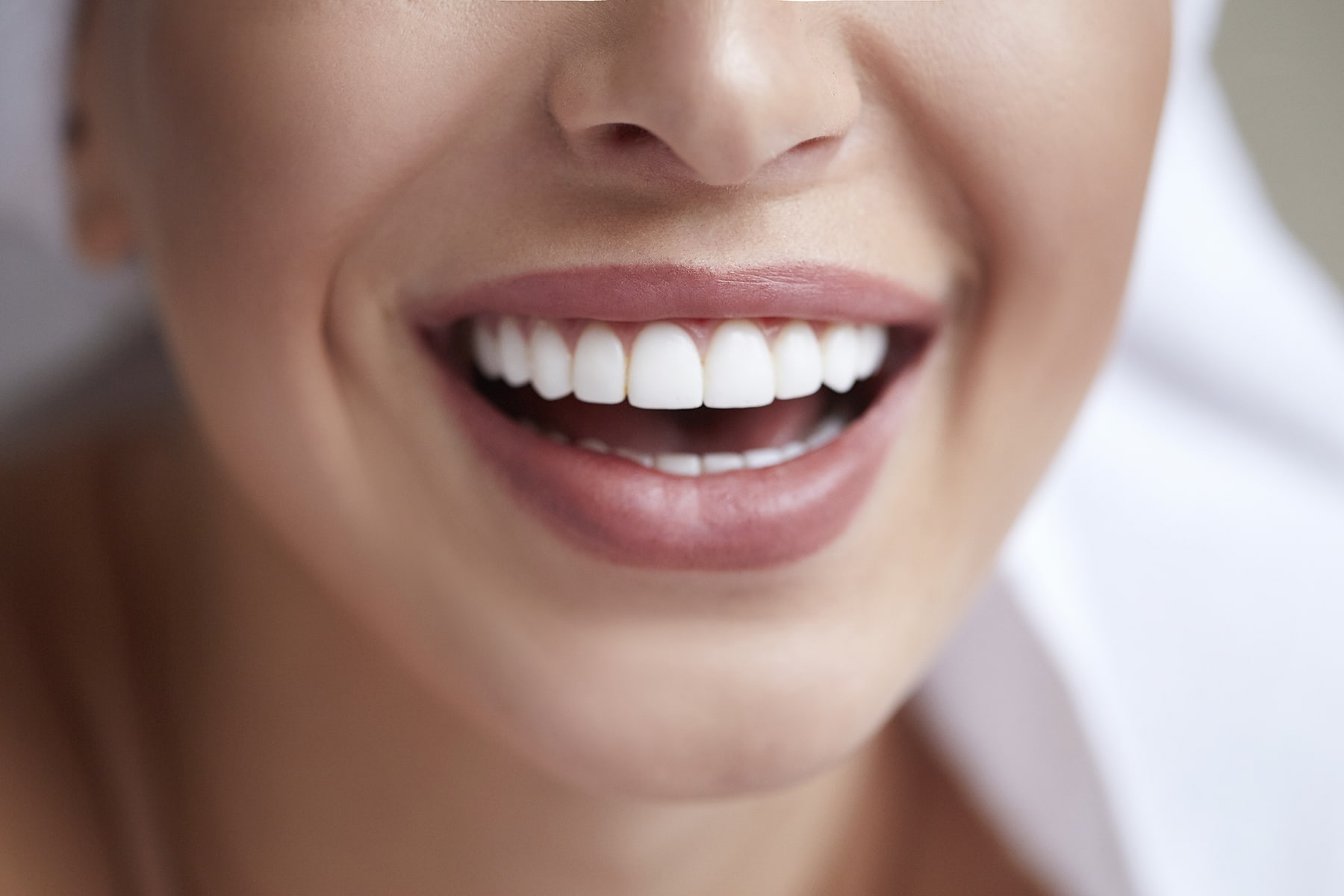
A Complete Guide to Restorative Care: What Are Crowns For Teeth?
When a tooth is damaged, weakened, or misshapen, it can affect far more than just your smile's appearance. It can compromise your ability to chew comfortably, lead to sensitivity, and even threaten the long-term health of the tooth. In modern dentistry, one of the most versatile and reliable solutions for such problems is a dental crown. But what are crowns for teeth, exactly? Simply put, they are custom-fitted, tooth-shaped "caps" that are placed over a natural tooth. They fully encase the visible portion above the gum line, restoring the tooth's original strength, shape, size, and appearance. Understanding what are crowns for teeth used for reveals why they are a cornerstone of restorative and cosmetic dental care.
At Ava Dental in Round Lake, we believe in preserving your natural smile whenever possible. Dental crowns are a fundamental tool in that mission, allowing us to save teeth that might otherwise be lost. We utilize high-quality materials and precise techniques to ensure your crown is not only incredibly durable but also beautifully indistinguishable from your natural teeth. Let's explore the essential purposes and benefits of this common procedure.
The Primary Functions: Protection, Restoration, and Support
The reasons for recommending a crown typically fall into three main categories: protection, restoration, and support.
1. To Protect a Weak Tooth: A tooth can become weak from severe decay, a large old filling, or a crack. A crown acts like a protective helmet, holding the tooth together and preventing it from breaking apart under biting forces, which could lead to extraction.
2. To Restore a Damaged Tooth: This is one of the most common uses. If a tooth is already broken, severely worn down, or has a large cavity that a filling can't sufficiently fix, a crown rebuilds it to its full function and form.
3. To Support and Cover a Tooth: After a root canal treatment, a tooth becomes more brittle and needs a crown to protect it. Crowns are also used to cover a dental implant or to anchor a dental bridge, replacing missing teeth.
Common Reasons You Might Need a Dental Crown
You might be wondering about the specific situations where a crown becomes the recommended treatment. Here are some of the most frequent scenarios we see at our practice:
A Large Cavity: When decay is so extensive that there isn't enough healthy tooth structure left to support a filling, a crown is necessary to restore the tooth.
A Cracked or Fractured Tooth: Cracks can propagate and lead to infection or breakage. A crown stabilizes the tooth, sealing the cracks and preventing further damage.
Cosmetic Enhancement: For teeth that are deeply stained, discolored (and not responsive to whitening), or misshapen, a crown can create a perfectly uniform and bright appearance.
To Complete a Root Canal: A root canal removes the infected pulp from inside a tooth, leaving the outer shell hollowed out. A crown is placed over it to provide strength for chewing and to seal out new bacteria.
To Repair Worn Teeth: Habits like grinding (bruxism) or acid erosion can wear teeth down. Crowns can rebuild them to their proper dimensions and protect them from further wear.
Answering the Question: What Are Crowns For Teeth Made Of?
Crowns are fabricated from a variety of durable materials, each with its own advantages. The choice depends on the location of the tooth, your bite, and your aesthetic goals.
Porcelain-Fused-to-Metal (PFM): This type has a strong metal inner structure for durability, covered by a layer of tooth-colored porcelain. It offers a good balance of strength and aesthetics.
All-Ceramic or All-Porcelain: These provide the most natural, translucent appearance, making them an ideal choice for front teeth. Modern ceramics like lithium disilicate are also very strong and are a popular choice for both front and back teeth.
Zirconia: Known for exceptional strength and durability, zirconia crowns are excellent for back teeth that withstand heavy chewing. They offer very good aesthetics and are highly biocompatible.
Gold Alloys: Extremely durable and gentle on opposing natural teeth, gold crowns are a time-tested option, often preferred for molars where their metallic color is less visible.
During your consultation, we will discuss these options in detail to help you select the best material for your specific needs and budget.
The Process of Getting a Dental Crown
The procedure for getting a crown typically requires two visits to our office.
First Visit: Preparation and Impression. We numb the area for your comfort. The tooth is then precisely reshaped to create space for the crown. We take a highly accurate digital scan or impression of the prepared tooth, which is sent to a dental lab where your permanent crown is crafted. Before you leave, we place a temporary crown to protect the tooth.
Second Visit: Placement. Once your custom crown is ready (usually in about two weeks), you return. We remove the temporary crown, check the fit and color of the new one, and make any minor adjustments. When everything is perfect, we permanently cement your new crown into place.
Caring for Your Crown to Ensure Longevity
A well-made crown can last for many years, even decades, with proper care. While the crown itself cannot decay, the tooth structure at the gumline where the crown meets the tooth is still vulnerable. Excellent oral hygiene is crucial: brush twice daily, floss carefully around the crown, and maintain regular professional cleanings and check-ups. Avoiding habits like chewing ice, hard candy, or using your teeth as tools will also help protect your restoration.
Your Partner for a Strong, Healthy Smile
Understanding what are crowns for teeth used for is the first step in recognizing their value as a long-term investment in your oral health. They are a versatile, predictable, and highly effective way to save damaged teeth, relieve discomfort, and restore a beautiful, functional smile.
If you have a tooth that is causing you concern or you've been told you may need a crown, we are here to provide expert guidance and care. At Ava Dental in Round Lake, I provide that service with a commitment to precision and your complete comfort. We will ensure you are fully informed and confident in your treatment plan.
To discuss whether a dental crown is the right solution for you, please contact our office to schedule a consultation.
For more information or urgent dental needs, you can reach us at 847.740.4600 or visit our website at Avon Dental Round Lake .
$500 Off
Offering Braces in Traditional, Clear, or Invisalign Orthodontic
A free full orthodontic consultation is required to see which straightening option will work best for you.