


Implant-Supported Dentures: Enhanced Comfort, Stability
Implant-Supported Dentures: Enhanced Comfort, Stability
For those struggling with traditional dentures, implant-supported dentures offer a revolutionary solution that combines comfort, stability, and functionality. Unlike conventional dentures, which rest on the gums, implant-supported dentures are anchored securely to dental implants, providing a more natural and reliable fit. In this article, we’ll explore the benefits of implant-supported dentures, how they work, and why they are becoming the preferred choice for many patients.
What Are Implant-Supported Dentures?
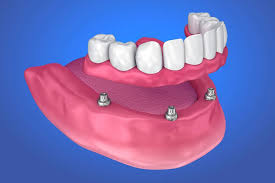
Implant-supported dentures are a type of overdenture that is supported by and attached to dental implants. These dentures are designed for patients who have lost most or all of their teeth but still have sufficient jawbone to support implants. The result is a secure, stable, and comfortable alternative to traditional dentures.
Types of Implant-Supported Dentures
There are two main types of implant-supported dentures:
Bar-Retained Dentures
In this type, a thin metal bar follows the curve of your jaw and is attached to dental implants. The denture is then clipped onto the bar for a secure fit.
Ball-Retained Dentures
Also known as stud-attachment dentures, this type uses metal attachments on the implants that fit into sockets on the denture, providing a snug and stable connection.
Benefits of Implant-Supported Dentures
Choosing implant-supported dentures comes with numerous advantages over traditional dentures. Here are some of the key benefits:
Enhanced Stability
One of the biggest advantages of implant-supported dentures is their stability. Unlike traditional dentures, which can slip or shift, implant-supported dentures stay firmly in place, allowing you to eat, speak, and smile with confidence.
Improved Comfort
Because they are anchored to implants, implant-supported dentures eliminate the discomfort and irritation often caused by traditional dentures rubbing against the gums.
Better Oral Health
Dental implants help preserve the jawbone, preventing bone loss that often occurs with missing teeth. This contributes to better long-term oral health.
How Do Implant-Supported Dentures Work?
The process of getting implant-supported dentures involves several steps. Here’s what you can expect:
Initial Consultation
Your journey begins with a consultation with a dental professional. They will evaluate your oral health, take X-rays, and determine if you are a good candidate for implant-supported dentures.
Implant Placement
During the next phase, dental implants are surgically placed into your jawbone. This procedure is typically done under local anesthesia, and the implants are left to heal and integrate with the bone over several months.
Denture Attachment
Once the implants have fully healed, the custom-made dentures are attached to the implants. Your dentist will ensure a proper fit and make any necessary adjustments for comfort.
Why Choose Implant-Supported Dentures?
If you’re considering dentures, here’s why implant-supported dentures might be the best choice for you:
Long-Lasting Solution
With proper care, implant-supported dentures can last for many years, making them a durable and cost-effective solution.
Natural Appearance
These dentures are designed to look and feel like natural teeth, enhancing your smile and boosting your confidence.
Improved Functionality
Unlike traditional dentures, implant-supported dentures allow you to eat a wider variety of foods without worrying about slippage or discomfort.
Conclusion
Implant-supported dentures offer a superior alternative to traditional dentures, providing enhanced comfort, stability, and functionality. If you’re looking for a long-lasting solution to replace missing teeth, consider exploring the benefits of implant-supported dentures. Consult with a dental professional today to determine if this innovative treatment is right for you and take the first step toward a more confident and comfortable smile.You can reach us at 847.740.4600 and 847.986.6682
$500 Off
Offering Braces in Traditional, Clear, or Invisalign Orthodontic
A free full orthodontic consultation is required to see which straightening option will work best for you.