


Dental Crown Procedure: A Step-by-Step Guide from Start to Finish
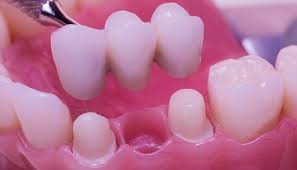
Your Guide to a Restored Smile: Understanding the Dental Crown Procedure
A damaged tooth doesn’t have to mean a compromised smile or discomfort. Whether a tooth is cracked, significantly worn, or has a large filling, modern dentistry offers a reliable and aesthetically pleasing solution: the dental crown procedure. This common and effective treatment involves placing a custom-made “cap” over a tooth, restoring its original shape, size, strength, and appearance. More than just a cosmetic fix, a crown is a restorative treatment that protects a vulnerable tooth from further damage, alleviates pain, and can last for many years with proper care.
At Ava Dental in Round Lake, we believe in providing clear information and gentle care for all our restorative treatments. The dental crown procedure is a cornerstone of our practice, allowing us to preserve natural teeth and help patients maintain healthy, functional smiles. We utilize high-quality materials and precise techniques to ensure your crown is not only durable but also blends seamlessly with your natural dentition.
What is a Dental Crown and When is it Needed?
A dental crown is a tooth-shaped restoration that encases the entire visible portion of a tooth above the gum line. Think of it as a protective helmet for a tooth that has been weakened or compromised. This treatment is often recommended in several key situations:
To protect a weak tooth from breaking, especially one that is cracked or has been significantly worn down.
To restore a tooth that is already broken or severely damaged by decay.
To cover and support a tooth with a large filling when there isn’t much natural tooth structure left.
To hold a dental bridge in place.
To cover a dental implant or a tooth that has undergone a root canal treatment.
For cosmetic enhancement of discolored or misshapen teeth.
Step-by-Step: The Dental Crown Procedure Explained
Understanding what to expect can alleviate any anxiety about the process. Typically completed over two appointments, the dental crown procedure is methodical and focused on achieving a perfect, long-lasting fit.
First Visit: Examination, Preparation, and Impressions
Your journey begins with a thorough examination. We may take an X-ray to check the health of the tooth’s roots and surrounding bone. If the tooth is deemed healthy enough to support a crown, we will begin the preparation.
To ensure the crown fits properly, the tooth must be reduced on all sides and the top. This amount of reduction is equal to the thickness of the crown material. After reshaping the tooth, we will take a highly accurate impression (mold) of the prepared tooth and the opposing teeth. This impression is sent to a dental laboratory where your permanent crown will be crafted. Before you leave, we will place a temporary crown to protect the prepared tooth while your permanent restoration is being made.
Second Visit: Permanent Crown Placement
Once your custom crown is ready from the lab—which typically takes about two weeks—you will return for your second appointment. We will first remove the temporary crown and clean the tooth. The new, permanent crown will then be carefully checked for fit, comfort, and color match. We will make any minor adjustments needed. When both you and our team are completely satisfied, the crown will be permanently cemented onto your tooth.
The Different Types of Dental Crowns
A key part of the dental crown procedure is selecting the right material for your specific needs, balancing factors like durability, aesthetics, and location in the mouth.
Porcelain Fused to Metal (PFM): These crowns have a strong metal substructure for durability with a layer of tooth-colored porcelain baked over it. They offer a good balance of strength and aesthetics.
All-Ceramic or All-Porcelain: These provide the best natural color match and are an excellent choice for front teeth. They are also biocompatible, making them ideal for patients with metal allergies.
Zirconia: Known for exceptional strength and durability, zirconia crowns are a great choice for back teeth that withstand heavy chewing forces. They also offer very good aesthetics.
Gold Alloys: Extremely durable and gentle on opposing teeth, gold crowns are often used for molars out of sight, where their metallic color is not a concern.
During your consultation, we will discuss these options with you to help select the best crown material for your individual situation.
Caring for Your New Dental Crown
After your dental crown procedure, your new restoration is designed to function like a natural tooth. While the crown itself cannot decay, the tooth structure at the gumline where the crown meets the tooth is still vulnerable. Therefore, maintaining excellent oral hygiene is crucial. This includes brushing twice a day, flossing daily (taking special care around the crown), and attending regular dental check-ups and cleanings. Avoiding habits like chewing ice, hard candy, or using your teeth as tools will help prevent damage to your crown.
What to Expect After the Procedure
It is normal to experience some sensitivity to hot and cold, or mild discomfort around the gum tissue for a few days after the anesthesia wears off and the crown is placed. This typically subsides quickly. If you notice any discomfort when biting down, or if the crown feels loose or awkward, contact our office promptly for an adjustment. A perfectly fitted crown should feel comfortable and natural.
Your Partner for a Seamless Restoration
The decision to get a dental crown is an investment in the long-term health and appearance of your smile. A successful outcome relies on precise execution, quality materials, and a collaborative approach between you and your dental team.
If you have a tooth that is damaged or causing you concern, a crown may be the ideal solution. At Ava Dental in Round Lake, I provide that service with attention to detail and a commitment to your comfort. Our goal is to ensure your dental crown procedure is a smooth, positive experience that results in a strong, beautiful, and functional tooth.
To discuss whether a dental crown is right for you or to learn more about the process, we invite you to schedule a consultation with our experienced team.
For more information, you can reach us at 847.740.4600 or visit our website at avondentalroundlake.com.
$500 Off
Offering Braces in Traditional, Clear, or Invisalign Orthodontic
A free full orthodontic consultation is required to see which straightening option will work best for you.
Looking For The Right Braces?
Getting the Right Braces Colors Starts Here
</h2>Broken Tooth Extraction</h2>
<p>When you're facing a dental emergency like a broken tooth, quick and effective action is essential. If you have braces or dental implants, sudden tooth extraction can be scary. This article will explain what to do, find a weekend dentist, and keep your mouth healthy.</p>
<h3>Understanding Broken Tooth Extraction</h3>
<p>Removing a damaged or broken tooth to stop pain and problems. The procedure is quick and usually performed by an experienced dentist.</p>
<p>If you experience a broken tooth, it's crucial to seek emergency dental care promptly. If you don't fix a broken tooth, it can cause infections, and strong pain, and may need complicated dental work like implants later.</p>
<p>But what exactly happens during a broken tooth extraction? Let's break it down in simple terms:</p>
<h4>1: Evaluation</h4>
<p>At the dentist appointment, the dentist will check the tooth to determine if it affects the roots or nearby teeth. This may involve taking X-rays to get a better view of the tooth and its positioning in the mouth.<\p>
<p>This may involve removing the tooth. It may also involve doing a root canal or other needed treatments.
The goal is to fix the problem and avoid more issues. The dentist needs to carefully check the situation to decide the best way to fix the patient's oral health.<\p>
<h4>2: Local Anesthesia</h4>
<p>Before the actual extraction, you'll receive local anesthesia to numb the area. This ensures that you won't feel any pain during the procedure. For kids seeking emergency dental extraction, this step is especially important to keep them comfortable.</p>
<h4>3: Tooth Extraction</h4>
<p>With the area numbed, the dentist will proceed to extract the broken tooth. They may need to use special instruments, depending on the tooth's condition.<p>
<h4>4: Post-Extraction Care</h4>
<p>After successfully removing the broken tooth, the dentist will give you instructions for post-extraction care. This may include guidelines on eating, drinking, and keeping the extraction site clean to prevent infection.</p>
<p>Now that you understand the basics of a broken tooth extraction, let's explore some essential aspects you should know:</p>
<h3 id="title-7">Importance of Prompt Action</h3>
<p>Seeking immediate emergency dental extraction can prevent further complications and alleviate pain. If you have braces, clear braces, or dental implants, dealing with the issue quickly helps your orthodontic treatment stay on course.</p>
<p>If you're wondering, 'Can I find nearby dental implants for emergencies' the answer is probably yes. Many dental offices offer emergency dental care, so finding a suitable provider shouldn't be a challenge.</p>
<h3 id="title-8">The Role of Braces and Dental Implants</h3>
<p>If you have braces or dental implants, a broken tooth can be a concern for your treatment. Let's delve into each scenario:</p>
<h4 id="title-9">Braces (Ceramic and Transparent)</h4>
<p>For individuals with ceramic or transparent braces, a broken tooth can be distressing. The brackets and wires are delicate, and a damaged tooth can interfere with the treatment's progress.</p>
<p>If you experience a broken tooth while wearing ceramic or transparent braces, follow these steps:</p>
<ul>
<li>Instantly contact your orthodontist or a weekend dentist who specializes in emergency dental care.</li>
<li>Do not attempt to fix the broken tooth or braces yourself, as this can lead to further damage.</li>
<li>Until you can see a dentist, be cautious with your diet, avoiding hard or sticky foods that may worsen the situation.</li>
</ul>
<h4 id="title-10">Dental Implants</h4>
<p>Here's what to do if you have dental implants and experience a broken tooth:</p>
<ul>
<li>Contact an emergency dental office or a dentist experienced in handling dental implants immediately.</li>
<li>Avoid putting pressure on the broken tooth or the implant area to prevent further damage.</li>
<li>Follow any post-extraction care instructions diligently to ensure the implant's success.</li>
</ul>
<p>Your dentist will assess the damage and determine the best course of action. In some cases, they may need to remove the broken tooth and plan for a replacement, such as mini dental implants.</p>
<h3 id="title-11">Cost Considerations</h3>
<p>Untreated dental issues can escalate, requiring more extensive and costly procedures.</p>
<p>If you're concerned about money, talk to your dentist about payment and insurance options. Many dental offices offer flexible payment plans to make emergency dental care more accessible.</p>
<h3 id="title-12">Finding a Weekend Dentist</h3>
<p>Dental emergencies can strike at any time, including weekends and holidays. So, how can you find a weekend dentist when you need one?</p>
<p>Here are some tips:</p>
<ul>
<li>Check online directories or websites of dental offices near you. Look for those that mention offering weekend appointments or emergency services.</li>
<li>Consider searching for "kids emergency dentist" if you have children who may require specialized care during emergencies.</li>
</ul>
<p>It's smart to have the number of an emergency dentist in your phone for urgent situations. This preparation can save you valuable time and reduce stress during a dental emergency.</p>
<h3 id="title-13">Conclusion</h3>
<p>But with the right knowledge and prompt action, you can navigate it effectively. Whether you have braces, clear braces, dental implants, or need a kids' dentist in an emergency, getting help fast is vital.</p>
<p>Remember to reach out to a weekend dentist or emergency dental office as soon as you face a broken tooth. Timely treatment can prevent complications, maintain your orthodontic progress, and safeguard your oral health.</p>
<p>Discuss payment options with your dentist and prioritize your well-being. Your smile is worth the investment.</p>






Useful Links
For Quick Access
Office Hours
* Every other Saturday we alternate. Call for details.
Reviews and Rides