


Cavity Filling Excellence: Affordable Solutions for Healthy Teeth
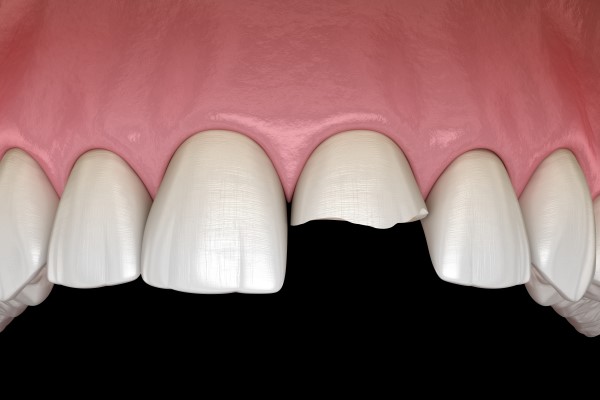
Cracked Tooth Root Canal: Expert Solutions for Relief
A cracked tooth can cause significant pain, and sensitivity, and even jeopardize the health of your entire tooth if left untreated. In many cases, a root canal is the best option to save a cracked tooth from further damage. If you're wondering whether you need a cracked tooth root canal, this article will provide you with expert insights into the treatment, how it works, and what you can expect before, during, and after the procedure.
What Causes a Cracked Tooth?
Cracked teeth can occur for a variety of reasons, including biting down on hard foods, dental trauma, or grinding your teeth (bruxism). Some cracks may be small and superficial, while others can extend deep into the tooth, causing pain and sensitivity. In severe cases, the crack may reach the pulp—the soft tissue inside the tooth—which could require a cracked tooth root canal to prevent infection and save the tooth.
Types of Tooth Cracks
Different types of cracks can affect a tooth, and the treatment may vary depending on the severity:
- Craze Lines: Small cracks on the outer enamel, usually harmless and requiring no treatment.
- Fractured Cusp: When part of the tooth’s chewing surface breaks off. A filling or crown is typically enough to repair it.
- Cracked Tooth: A crack that extends from the chewing surface down toward the root. A cracked tooth root canal is often necessary to save the tooth.
- Split Tooth: When the tooth is completely split into two or more segments. A root canal may help, but extraction could be necessary.
- Vertical Root Fracture: A crack that begins at the root and extends upward. In some cases, the tooth may need to be removed.
Do I Need a Root Canal for a Cracked Tooth?
Not all cracked teeth require a root canal, but if the crack extends into the pulp or root, it may be the only way to relieve pain and save the tooth. During a cracked tooth root canal, the dentist removes the damaged pulp, cleans the root canal system, and seals it to prevent infection. This procedure can stop the pain and prevent the crack from worsening.
Signs You Might Need a Cracked Tooth Root Canal
If you’re experiencing any of the following symptoms, you may need a root canal for a cracked tooth:
- Persistent pain when chewing or biting.
- Increased sensitivity to hot and cold temperatures.
- Swelling or tenderness in the gums around the affected tooth.
- A visible crack or fracture on the tooth.
- Discoloration of the tooth.
If you're dealing with these symptoms, it's essential to visit a dentist as soon as possible. Early intervention can often save the tooth and prevent further complications.
Cracked Tooth Root Canal: The Procedure
The cracked tooth root canal process is similar to a standard root canal but may involve additional steps to reinforce the tooth’s structure. Here’s what you can expect during the procedure:
Step 1: Diagnosis
Your dentist will begin by examining the tooth and taking X-rays to determine the extent of the crack. If the crack has reached the pulp, a root canal will likely be recommended to remove the damaged tissue and prevent infection.
Step 2: Removing the Damaged Pulp
After numbing the area, the dentist will make an opening in the tooth and carefully remove the infected or damaged pulp. The root canals will be thoroughly cleaned and shaped to prepare for the filling.
Step 3: Sealing the Tooth
Once the canals are cleaned, the dentist will seal the tooth with a special filling material to prevent bacteria from entering. In most cases, a crown will be placed over the tooth to provide additional protection and restore its function.
Post-Procedure Care and Recovery
After your cracked tooth root canal, your dentist may recommend avoiding hard or sticky foods until the crown is placed. Mild discomfort or sensitivity is common for a few days, but over-the-counter pain relievers should help. In the long term, maintaining good oral hygiene and avoiding habits like teeth grinding can help ensure your tooth stays healthy.
What Happens If a Cracked Tooth Root Canal Fails?
While root canals are highly successful, in some cases, the crack may worsen or the infection may return. If this happens, additional treatment, such as retreatment or even extraction, may be necessary. Regular dental checkups can help catch any issues early and improve the chances of saving the tooth.
Preventing Future Cracks
To reduce the risk of cracking another tooth, consider the following tips:
- Avoid biting down on hard objects, such as ice, hard candies, or unpopped popcorn kernels.
- If you grind your teeth at night, ask your dentist about a custom night guard.
- Wear a mouthguard when participating in contact sports.
- Maintain good oral hygiene to keep your teeth strong and healthy.
Conclusion
A cracked tooth root canal can provide relief from pain and save your tooth from further damage. If you suspect you have a cracked tooth, don’t wait—seek professional dental care to prevent complications. With timely treatment, a root canal can restore both the function and appearance of your tooth, helping you maintain a healthy smile for years to come.You can reach us at 847.740.4600 and 847.986.6682.
$500 Off
Offering Braces in Traditional, Clear, or Invisalign Orthodontic
A free full orthodontic consultation is required to see which straightening option will work best for you.