


Understanding the Cost of Dental Fillings: A Comprehensive Guide
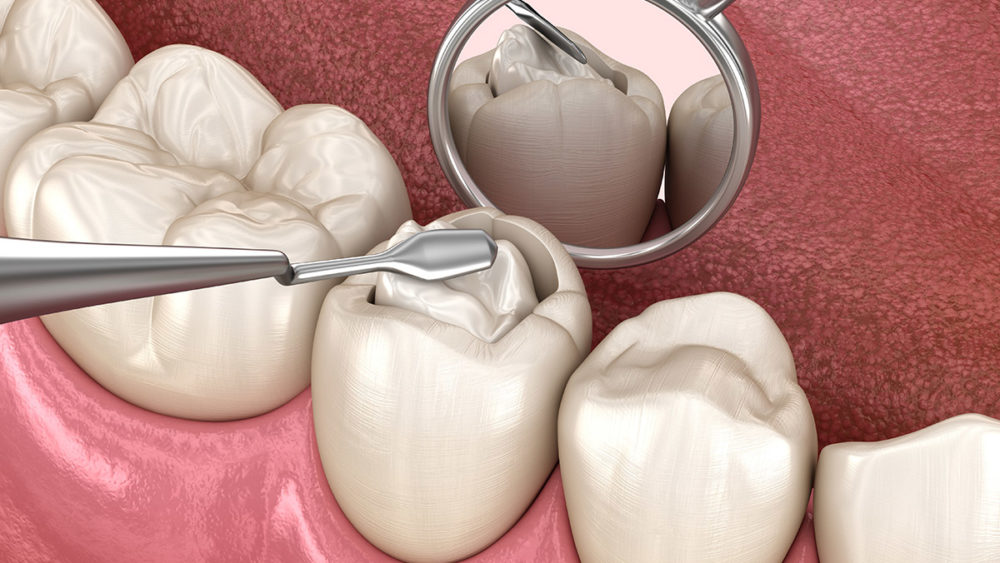
Understanding the Cost of Dental Fillings: A Comprehensive Guide
When it comes to maintaining optimal oral health, dental fillings are among the most common restorative procedures. Whether you've recently been told you need a filling or you're simply planning for future dental care, understanding the cost of filling dental work is essential for making informed decisions about your oral health and budget. The price can vary significantly based on multiple factors, and being aware of these variables can help you navigate your treatment options with confidence.
At Avon Dental Round Lake, we believe in transparent pricing and patient education. This comprehensive guide will explore the various elements that influence dental filling costs, different types of fillings available, insurance considerations, and why investing in quality dental care ultimately saves you money and discomfort in the long run.
Factors That Influence Dental Filling Costs
The cost of filling dental work isn't a fixed number—it fluctuates based on several key factors that you should consider when planning your dental treatment.
Material Selection
The type of material used for your filling significantly impacts the price. Dental fillings come in several varieties, each with different properties, aesthetics, and costs:
Composite resin: Tooth-colored fillings that blend seamlessly with your natural teeth
Amalgam: Silver-colored fillings known for durability and strength
Gold: Premium option offering exceptional longevity
Porcelain: High-end aesthetic option that matches tooth appearance
Glass ionomer: Often used for children or temporary fillings
Each material comes with different price points, with composite and amalgam being the most common choices for everyday dental care.
Size and Location of the Cavity
The extent of decay plays a crucial role in determining the cost of filling dental work. A small surface cavity requires less material and time to fill compared to a larger cavity that has extended deeper into the tooth. Additionally, fillings on molars—which endure more chewing force—often require more durable materials and complex application techniques, potentially increasing the cost.
The position of the tooth in your mouth also affects the price. Front teeth are typically easier to access but may require more aesthetically pleasing (and sometimes more expensive) materials to maintain a natural appearance.
Dental Professional Expertise
The experience and skill of your dentist can influence the cost of your procedure. Highly experienced dentists who invest in ongoing education and advanced technology may charge more for their services, but this often translates to higher quality care, better longevity of your fillings, and increased comfort during the procedure.
Geographic Location
Dental costs vary by region due to differences in overhead expenses, local economic factors, and regional market competition. Urban areas typically have higher dental costs compared to rural locations, though this isn't always the case.
Types of Dental Fillings and Their Costs
Understanding the different filling options available will help you make an informed decision about which type best suits your needs and budget.
Composite Fillings
Composite resin fillings are the most popular choice for visible teeth due to their natural appearance. They bond directly to the tooth structure, providing additional support. The cost of filling dental cavities with composite resin typically ranges from $150 to $450 per tooth, depending on the size and location.
Advantages:
- Aesthetically pleasing, match natural tooth color
- Bond directly to tooth structure
- Require less tooth removal than amalgam fillings
- Can be repaired easily
Disadvantages:
- Higher cost than amalgam
- May not last as long in high-pressure areas
- Require longer placement time
Amalgam Fillings
Amalgam fillings, often called silver fillings, have been used for over a century and are known for their durability and strength. They typically cost between $100 and $300 per tooth, making them one of the most economical options.
Advantages:
- Highly durable, especially for back teeth
- Lower cost than composite alternatives
- Long track record of safety and effectiveness
- Quick placement process
Disadvantages:
- Noticeable metallic appearance
- Require more tooth structure removal
- Can cause tooth discoloration over time
- Potential for tooth cracking due to expansion/contraction
Ceramic and Porcelain Fillings
Ceramic fillings, often called inlays or onlays, are custom-made in a dental laboratory and then bonded to the tooth. They offer excellent aesthetics and durability, with costs ranging from $300 to $4,500 per tooth depending on the complexity.
Advantages:
- Superior aesthetics, color-matched to teeth
- Stain-resistant
- Highly durable with proper care
- Biocompatible (less likely to cause allergic reactions)
Disadvantages:
- Highest cost among filling options
- Require multiple visits to complete
- Can be brittle compared to composite
- May require more tooth reduction
Glass Ionomer Fillings
Glass ionomer fillings are made from a blend of acrylic and glass and are often used for children's teeth, temporary fillings, or areas not subjected to heavy chewing pressure. They typically cost between $100 and $300 per tooth.
Advantages:
- Release fluoride to prevent further decay
- Bond chemically to tooth structure
- Require minimal preparation
- Good for non-load bearing areas
Disadvantages:
- Less durable than other materials
- Prone to wear and fracture
- Aesthetics not as natural as composite
- Shorter lifespan than other options
The Role of Dental Insurance in Filling Costs
Dental insurance can significantly reduce your out-of-pocket expenses for fillings. Most dental insurance plans cover 50-80% of the cost of basic fillings after you've met your deductible. However, coverage varies significantly between policies.
Understanding Your Coverage
Before scheduling your filling procedure, it's important to understand:
Deductibles: The amount you must pay before insurance coverage begins
Annual maximums: The maximum amount your insurance will pay within a year
Material coverage: Some plans cover amalgam fillings at a higher percentage than composite
Waiting periods: Some plans have waiting periods before certain procedures are covered
Navigating Insurance Limitations
Many insurance companies base their reimbursement on "UCR" (Usual, Customary, and Reasonable) rates, which may be lower than your dentist's actual fees. Additionally, some plans may only cover the least expensive alternative treatment (LEAT), which might mean they'll only cover the cost of an amalgam filling even if you choose composite.
At Avon Dental Round Lake, our team will help you navigate your insurance benefits and provide a clear estimate of your out-of-pocket costs before treatment begins.
The Long-Term Value of Quality Dental Fillings
While the upfront cost of filling dental cavities might give some patients pause, it's important to consider the long-term value of quality dental work. A properly placed filling by an experienced dentist can last for many years, preventing more extensive and expensive procedures down the line.
Preventing Further Decay and Damage
A well-executed filling does more than just fill a hole—it seals the tooth against bacteria, preventing further decay that could lead to root canals or even tooth loss. Investing in a quality filling now can save you from more complex and costly procedures in the future.
The True Cost of Delaying Treatment
Many patients consider postponing dental fillings to save money in the short term. However, cavity progression rarely stops on its own. What begins as a simple filling can quickly evolve into a situation requiring:
Root canal therapy ($700-$1,500 per tooth)
Dental crowns ($800-$3,000 per tooth)
Tooth extraction ($150-$650 per tooth)
Dental implants ($3,000-$6,000 per tooth)
The relatively small investment in a timely filling pales in comparison to the costs associated with these more extensive treatments.
Why Choose Avon Dental Round Lake for Your Dental Fillings
When it comes to your oral health, choosing the right dental provider is as important as understanding the costs involved. At Avon Dental Round Lake, we combine expertise, advanced technology, and patient-centered care to deliver exceptional results.
Our team takes the time to explain all your options, including the pros, cons, and costs associated with each type of filling material. We believe an informed patient is an empowered patient, and we're committed to helping you make the best decision for your oral health and budget.
If you're experiencing tooth sensitivity or suspect you might need a filling, don't delay treatment. Early intervention is key to preventing more extensive dental work. Contact us at 847.740.4600 or visit our website at https://www.avondentalroundlake.com to schedule a consultation. Let us help you maintain a healthy, beautiful smile with dental care that fits your needs and budget.
$500 Off
Offering Braces in Traditional, Clear, or Invisalign Orthodontic
A free full orthodontic consultation is required to see which straightening option will work best for you.