


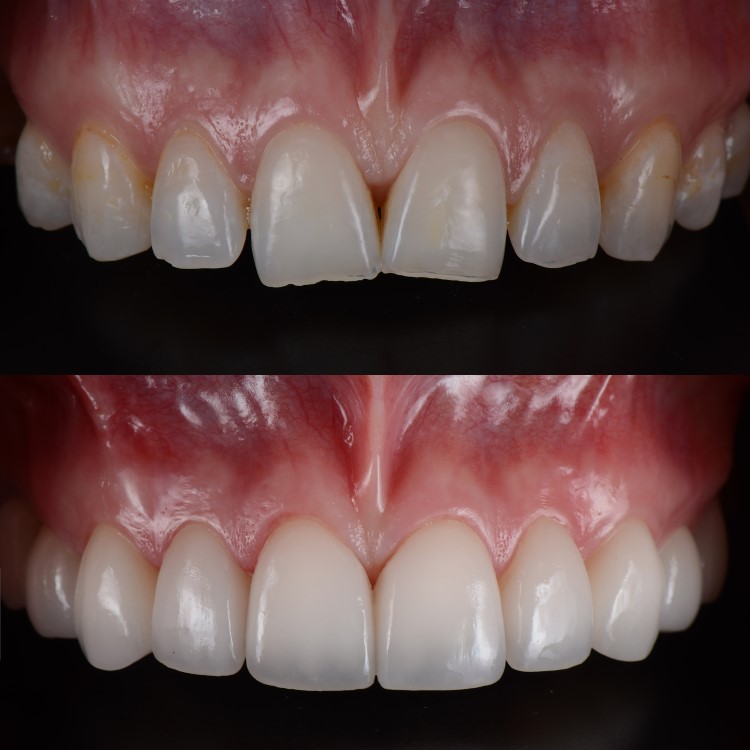
Dazzling Transformations: Dental Veneers Before & After
Dental Bonding vs Veneers: Comparing Costs for Your Smile
When it comes to enhancing your smile, two popular cosmetic dentistry options stand out: dental bonding and veneers. Both are effective solutions for improving the appearance of teeth, but they come with different price tags and benefits. In this article, we’ll break down the cost of dental bonding vs veneers, helping you make an informed decision based on your needs and budget.
Understanding Dental Bonding
Dental bonding is a cosmetic procedure that involves applying a tooth-colored resin to the surface of the tooth. The resin is molded to correct imperfections like chips, cracks, or discoloration, and then hardened with a special light. The procedure is relatively simple and can often be completed in a single visit, making it a convenient and cost-effective choice.
Cost of Dental Bonding
One of the main advantages of dental bonding is its affordability. The average cost of dental bonding vs veneers leans heavily in favor of bonding, with prices typically ranging from $100 to $400 per tooth, depending on the complexity of the work. Since bonding requires less preparation and is completed more quickly than veneers, it is often the more budget-friendly option for minor cosmetic fixes.
Pros and Cons of Dental Bonding
While dental bonding is less expensive, it does have its limitations. The resin material used in bonding is not as durable as porcelain veneers, meaning it is more prone to staining and chipping over time. On average, bonding lasts between 3 to 10 years, which is shorter than the lifespan of veneers. However, for patients seeking a quick, affordable solution for minor imperfections, the lower cost of dental bonding vs veneers can be a significant advantage.
Understanding Dental Veneers
Veneers, on the other hand, are thin shells made of porcelain or composite resin that are custom-designed to fit over the front surface of your teeth. Veneers are typically used for more extensive cosmetic work, such as covering severely discolored, chipped, or misaligned teeth. The results are long-lasting and often look more natural than dental bonding.
Cost of Veneers
When comparing the cost of dental bonding vs veneers, veneers are significantly more expensive. Porcelain veneers, which are the most durable and natural-looking option, can cost anywhere from $800 to $2,500 per tooth. Composite veneers are a bit less expensive, ranging from $250 to $1,500 per tooth. While the upfront cost is higher, the longevity and superior aesthetics often make veneers a worthwhile investment for those seeking a complete smile makeover.
Pros and Cons of Veneers
The major benefit of veneers is their durability and lifelike appearance. Porcelain veneers, in particular, resist staining and can last 10 to 15 years or more with proper care. However, the higher cost of dental bonding vs veneers can be a drawback for some patients. Additionally, the process of getting veneers requires more preparation, including removing a small amount of enamel from the teeth, which makes the procedure irreversible.
Cost Dental Bonding vs Veneers: What Affects the Price?
Several factors influence the cost of dental bonding vs veneers, including the material used, the number of teeth being treated, and the expertise of the dentist. Location also plays a role, as dental procedures in urban areas tend to be more expensive than those in smaller towns. When deciding between bonding and veneers, it’s important to consider both the initial cost and the long-term benefits.
Longevity and Maintenance
Another important consideration when comparing the cost of dental bonding vs veneers is the lifespan of each treatment. Veneers are more durable and require less maintenance over time, while dental bonding may need to be touched up or replaced more frequently. Although veneers come with a higher upfront cost, their longevity may make them more cost-effective in the long run for some patients.
Insurance and Payment Options
In most cases, cosmetic procedures like dental bonding and veneers are not covered by insurance. However, many dental practices offer payment plans or financing options to help make these treatments more accessible. When comparing the cost of dental bonding vs veneers, it’s a good idea to ask your dentist about available payment options to determine which treatment best fits your financial situation.
Making the Right Choice for Your Smile
The decision between dental bonding and veneers ultimately depends on your cosmetic goals, budget, and how long you want the results to last. If you’re looking for a quick, affordable fix for minor issues, dental bonding may be the best choice. However, if you’re seeking a long-lasting, more dramatic transformation, veneers may be worth the higher upfront cost.
By understanding the cost of dental bonding vs veneers and weighing the pros and cons of each option, you can make an informed decision that best suits your smile and your budget.You can reach us at 847.740.4600 and 847.986.6682.
$500 Off
Offering Braces in Traditional, Clear, or Invisalign Orthodontic
A free full orthodontic consultation is required to see which straightening option will work best for you.