


Invisalign vs. Braces: Compare Cost, Time, & Effectiveness
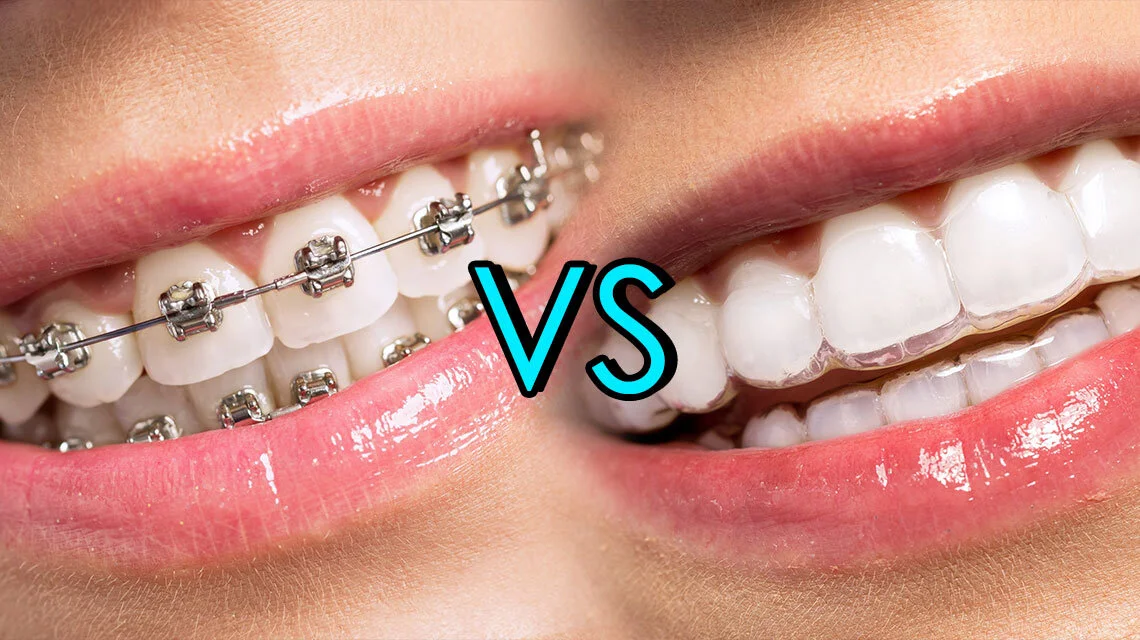
Braces vs Invisalign: Which Orthodontic Treatment Is Right for You?
Straightening teeth is more than just cosmetic—it improves oral health, bite function, and long-term confidence. Many patients ask us about braces vs Invisalign when considering orthodontic treatment. Both options are effective, but they work differently and are suited for different lifestyles and dental needs. At Avon Dental Round Lake, we provide personalized orthodontic solutions to help you achieve a healthy, beautiful smile.
For more information or to schedule a consultation, visit Avon Dental Roundlake or call 847.740.4600.
Understanding Braces vs Invisalign
Orthodontic treatments aim to align teeth and correct bite issues, but the approach differs. Traditional braces use brackets and wires to gradually shift teeth, while Invisalign uses a series of clear, removable aligners to achieve similar results.
Choosing between braces and Invisalign depends on factors such as treatment complexity, lifestyle preferences, and aesthetic considerations. Our team evaluates each patient individually to recommend the best option for their unique situation.
How Traditional Braces Work
The Mechanics of Braces
Braces use brackets bonded to the teeth and connected by wires. These wires apply gentle, consistent pressure, gradually moving teeth into their proper positions. Periodic adjustments by your orthodontist ensure the treatment progresses effectively.
Benefits of Braces
- Effective for complex orthodontic issues, including severe crowding or bite misalignment
- Provide predictable results for a wide range of dental conditions
- Suitable for all ages, especially younger patients
Considerations with Braces
- Require regular cleaning to maintain oral hygiene
- May cause minor discomfort after adjustments
- Visible on teeth, which some patients may find less aesthetic
How Invisalign Works
The Mechanics of Invisalign
Invisalign uses a series of custom-made, clear aligners to gradually move teeth. Patients switch to a new aligner every 1–2 weeks, following a precise treatment plan designed using 3D digital imaging.
Benefits of Invisalign
- Nearly invisible, making them ideal for adult patients concerned about appearance
- Removable for eating, brushing, and flossing, allowing better oral hygiene
- Comfortable, with smooth plastic aligners that minimize irritation
Considerations with Invisalign
- Requires discipline to wear aligners 20–22 hours per day
- May not be suitable for very complex orthodontic cases
- Attachments may be used for more precise tooth movement, which are slightly visible
Comparing Braces vs Invisalign: Treatment Time
The duration of treatment varies depending on individual cases. Traditional braces typically take 18–24 months, while Invisalign can take 12–24 months depending on the complexity of tooth movement. Our team provides a personalized estimate to help you plan accordingly.
Comfort and Lifestyle: Braces vs Invisalign
Daily Life with Braces
Braces are permanently attached, so there’s no need to remember to wear them. However, some foods should be avoided to prevent damage, and extra care is needed during cleaning.
Daily Life with Invisalign
Invisalign aligners are removable, making meals and oral care easier. Many patients appreciate the convenience and discreet appearance. However, forgetting to wear them can slow down treatment progress.
Aesthetic Considerations: Braces vs Invisalign
Appearance is often a key factor in choosing treatment. Braces are visible on the teeth, which may be a concern for self-conscious patients. Invisalign aligners are clear and nearly invisible, allowing patients to straighten their teeth without drawing attention.
Cost Comparison: Braces vs Invisalign
Both treatments are considered investments in long-term oral health. Costs vary based on complexity, treatment length, and materials used. At Avon Dental Round Lake, we provide clear estimates and work with patients to explore payment options and insurance coverage.
Which Option Is Right for You?
Choosing between braces vs Invisalign depends on your specific dental needs, lifestyle, and preferences. Traditional braces are ideal for complex orthodontic corrections, while Invisalign offers a discreet, convenient solution for mild to moderate cases. Our team guides patients through every step, ensuring a treatment plan that meets both functional and aesthetic goals.
Caring for Your Teeth During Treatment
Proper care is essential for successful orthodontic treatment. Braces require careful brushing and flossing to prevent plaque buildup around brackets and wires. Invisalign aligners should be cleaned regularly, and teeth should be brushed before reinserting them. Routine dental checkups are important for monitoring progress and maintaining oral health.
Why Choose Avon Dental Round Lake for Orthodontics
We provide comprehensive orthodontic care tailored to each patient. Our team specializes in both traditional braces and Invisalign, ensuring expert treatment regardless of the option you choose. Using modern techniques and personalized plans, we help patients achieve strong, healthy teeth and confident smiles.
For more information or to schedule your consultation, visit Avon Dental Roundlake or call 847.740.4600.
Start Your Journey to a Straighter Smile
Whether you choose braces or Invisalign, taking the first step toward a straighter smile can improve your oral health and boost your confidence. Contact our office today to discuss your options, ask questions, and learn which orthodontic solution is best for you.
$500 Off
Offering Braces in Traditional, Clear, or Invisalign Orthodontic
A free full orthodontic consultation is required to see which straightening option will work best for you.